
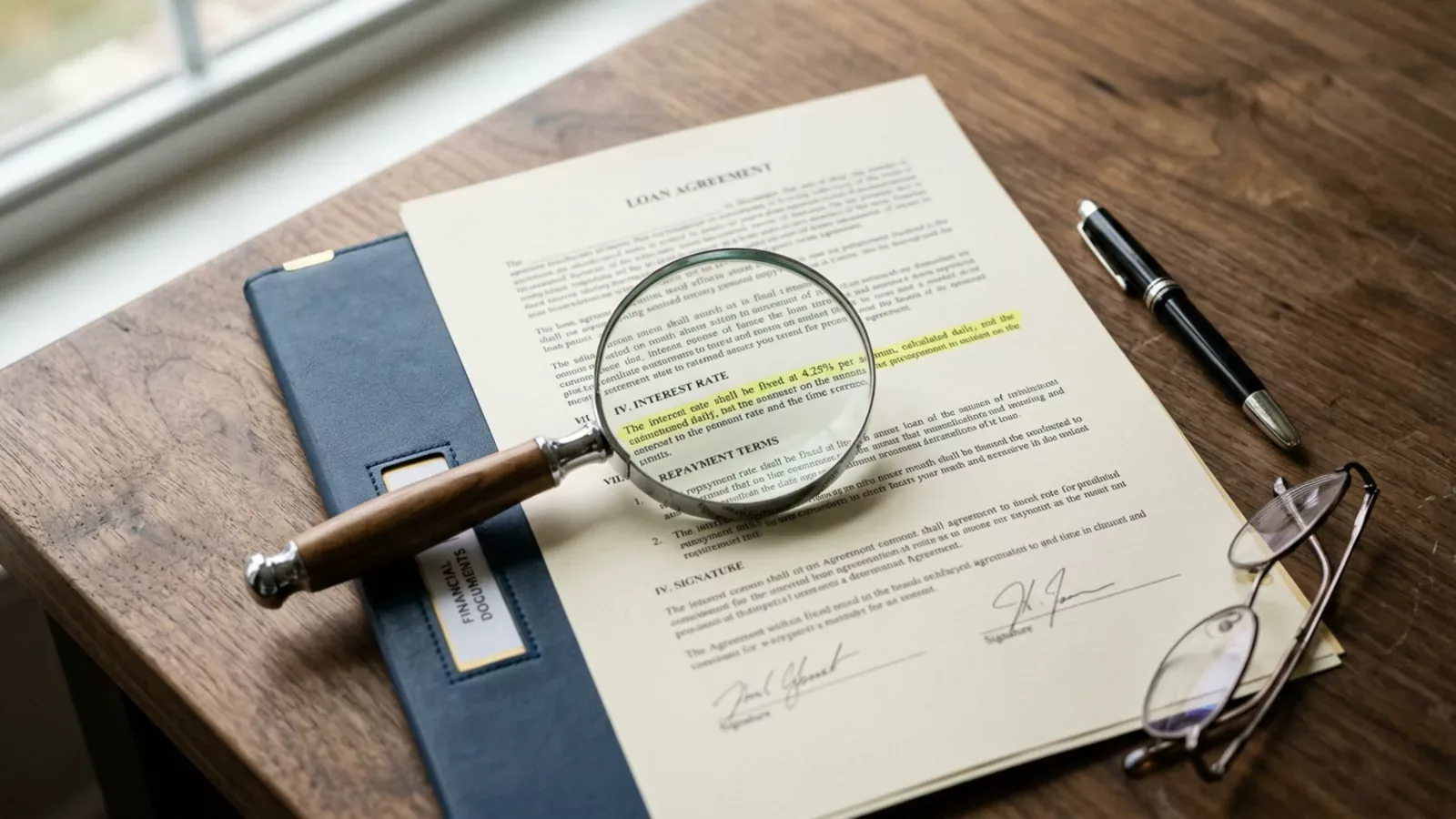
"Tribal loans guaranteed approval" is one of the most searched phrases in non-bank lending, yet no legitimate lender can approve 100% of applicants. Industry approval rates average 60–75% for applicants meeting the income floor — and even that wide margin means understanding exactly what lenders verify before you apply.
The Short Answer
No legitimate tribal lender guarantees approval before running verification checks. What the phrase actually signals — when used by reputable lenders — is a meaningfully higher approval rate than a bank for borrowers with damaged or thin credit. Industry averages sit between 60% and 75% of applicants who meet the basic eligibility floor. That's a real improvement over the sub-20% approval rate credit-challenged borrowers face at traditional banks, but it's not a coin that always comes up heads.
When a marketing page uses "guaranteed" literally — promising funds regardless of eligibility — it's either a hook designed to collect personal data or an outright scam. Before applying anywhere, pull your free credit report at AnnualCreditReport.com to understand your actual credit profile — it's the same data legitimate tribal underwriters will see when they verify your identity. Real lenders can't afford to issue loans to people who haven't passed income and bank verification, and no tribal regulator allows it.
What Actually Determines Tribal Loan Approval
Tribal underwriting leans heavily on alternative data rather than the FICO score that dominates traditional bank lending. Here's what most tribal lenders check before approving you. For a deeper look at the full underwriting and funding process, see how tribal installment loans work.
- check_circle Income verification: Consistent monthly income of roughly $800–$1,000, typically proven through bank transaction data via Plaid or a similar connector.
- check_circle Active checking account: Account must be in good standing — no recent overdraft patterns, frozen funds, or closure risk flags.
- check_circle Bank account history: Most tribal lenders look at 30–90 days of transactions to confirm stable deposits and reasonable outflow.
- check_circle Debt-to-income signal: Some lenders use alternative DTI calculations. A DTI above ~50% often triggers denial even when credit is fine.
- check_circle Basic eligibility: U.S. residency, age 18+ (19 in Alabama and Nebraska), valid government ID, no active bankruptcy proceeding.
Real Approval Numbers from the Tribal Installment Industry
These ranges are compiled from NAFSA member directory disclosures and public CFPB complaint database data across the 2024–2025 period. Individual lenders vary, but the shape of the distribution is fairly consistent.
| Metric | Range |
|---|---|
| Tribal installment industry approval rate | ~60–75% for applicants meeting minimum eligibility |
| Applicants denied for insufficient income | ~18–25% |
| Applicants denied for bank account flags | ~8–12% |
| Applicants denied after fraud / ID verification | ~3–5% |
“High approval doesn't mean no approval standards — it means different standards that favor income stability over credit history.”
Red Flags That Signal a Scam Dressed as "Guaranteed Approval"
The "guaranteed" language attracts scammers because the audience — borrowers with damaged credit under financial pressure — is exactly the demographic most vulnerable to advance-fee and data-harvesting fraud. Watch for these patterns:
- warning Upfront fees before funding — legitimate lenders deduct fees from disbursed funds, never before.
- warning Pressure to sign immediately — real tribal lenders give you the TILA disclosure period without urgency tactics.
- warning "Pre-approved without checking your data" — approval that happens before income/bank verification is marketing language, not a binding decision.
- warning Communications from free email domains (Gmail, Yahoo) or mismatched sender names and company names.
- warning No verifiable tribal affiliation — legitimate tribal lenders name the federally recognized tribe that owns them.
- warning APR not disclosed prominently before final signature — federal TILA rules require this regardless of tribal status.
Before applying, confirm the lender is connected to a real federally recognized tribe by checking the BIA tribal directory. Legitimate tribal lenders name the specific tribe that owns the lending entity — a vague "tribally affiliated" claim with no named tribe is a warning sign.
The same scrutiny applies to fee disclosures. A real tribal lender deducts origination fees from your funded amount — they never request a wire transfer, gift card, or prepayment before the loan is issued. That pattern is the defining feature of advance-fee fraud in the lending space.
Understanding your own credit profile also helps you recognize unrealistic promises. Review the FICO score breakdown to see which factors — payment history, utilization, account age — carry the most weight, so you can evaluate whether a lender's offer is plausible given your actual profile.
"No Teletrack" Tribal Loans — What That Actually Means
Many high-approval tribal offers advertise "no teletrack." Teletrack is a specialty credit bureau (owned by CoreLogic) that tracks short-term loan history outside the main FICO system. Payday and some installment lenders report defaults to Teletrack, and a negative record there causes automatic denials at lenders who subscribe. For context on how credit scoring works more broadly, Experian credit ranges show how specialty bureau records interact with the primary scoring model.
A "no teletrack" lender skips that database. For a borrower with past payday defaults but otherwise stable income, this removes one of the biggest automatic gates in non-bank lending. It's a legitimate feature, not a scam marker. The tradeoff: these offers usually price in higher risk, meaning APRs at the top of the tribal range. To put that cost in perspective, Bankrate loan rate benchmarks show that the average personal loan APR for a borrower with excellent credit is under 12% — the gap with tribal no-teletrack pricing is substantial.
See what you'd actually qualify for
Use the calculator to model your monthly payment at your expected credit tier — no application required.
How to Maximize Your Real Approval Odds
If you're preparing to apply for a tribal installment loan and want the best shot at approval at a reasonable rate, here's what actually moves the needle:
- check_circle Apply during a pay-week high: income verification looks better when recent deposits are visible and your balance reflects stability.
- check_circle Clean up your checking account: avoid overdrafts and returned-payment flags for at least 30 days before applying.
- check_circle Match your ID data exactly: name, address, and date of birth on the application must match your government-issued ID precisely.
- check_circle Don't inflate income: Plaid-verified bank data reveals actual deposits. Overstating income by even 10% triggers automated denials.
- check_circle Request a realistic amount: a smaller loan aligned with your income stability is far more likely to be approved than a maximum-dollar request.
If you believe you encountered a scam posing as a guaranteed-approval lender, file a report using the FTC fraud reporting portal. Reports feed the FTC's enforcement database and help identify patterns that lead to prosecutions.
If you're exploring alternatives before committing to a high-APR tribal product, federal credit unions offer NCUA Payday Alternative Loans (PALs) capped at 28% APR — a meaningful option for borrowers who can qualify. The NY Fed household debt report documents the scale of non-bank borrowing and why access to lower-cost credit matters — context worth having before you decide whether a high-APR tribal loan is your only real option.
Bottom Line
"Guaranteed approval" is a marketing shortcut, not a legal promise. The honest reading: tribal installment lenders approve a high share of applicants who meet their income and account-health baseline, and that access is genuinely valuable for borrowers shut out of bank credit. But if a lender literally promises approval before running checks, close the tab. The cost of applying through a scammer — in exposed personal data, wire-fraud losses, or both — vastly exceeds the cost of a denied application from a legitimate lender.
Focus on preparing your application cleanly and choosing a lender whose tribal affiliation and regulatory status you can verify. That's the real path to fast, predictable funding.